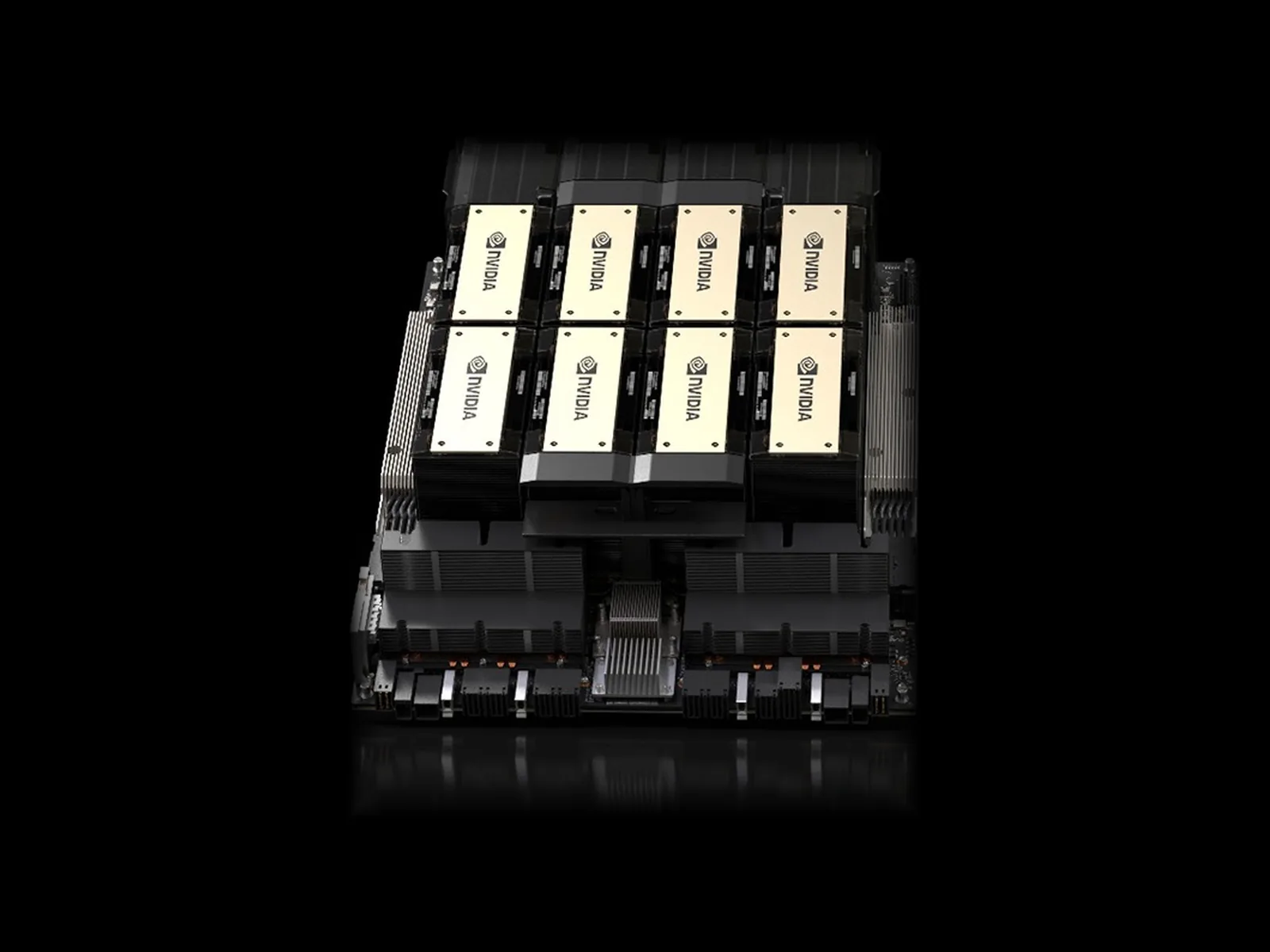
Short answer. Choose B300 (Blackwell Ultra) for reasoning inference and the most memory per GPU, B200 (Blackwell) when you also need strong FP64 for HPC, and H200 (Hopper) when you want large-memory capacity on a proven software stack or a PCIe card for standard servers.
The short comparison
| H200 SXM | B200 (HGX) | B300 (HGX) | |
|---|---|---|---|
| Architecture | Hopper | Blackwell | Blackwell Ultra |
| GPU memory | 141 GB HBM3e | 180 GB HBM3e | 270 GB HBM3e |
| Memory bandwidth | 4.8 TB/s | 7.7 TB/s | 7.7 TB/s |
| FP4 Tensor | Not supported | 18 PFLOPS | 18 PFLOPS (14 dense) |
| FP64 | 34 TFLOPS | 37 TFLOPS | 1.2 TFLOPS |
| NVLink per GPU | 900 GB/s | 1.8 TB/s | 1.8 TB/s |
| Max GPU power | Up to 700 W | Up to 1,000 W | Up to 1,100 W |
When H200 still makes sense
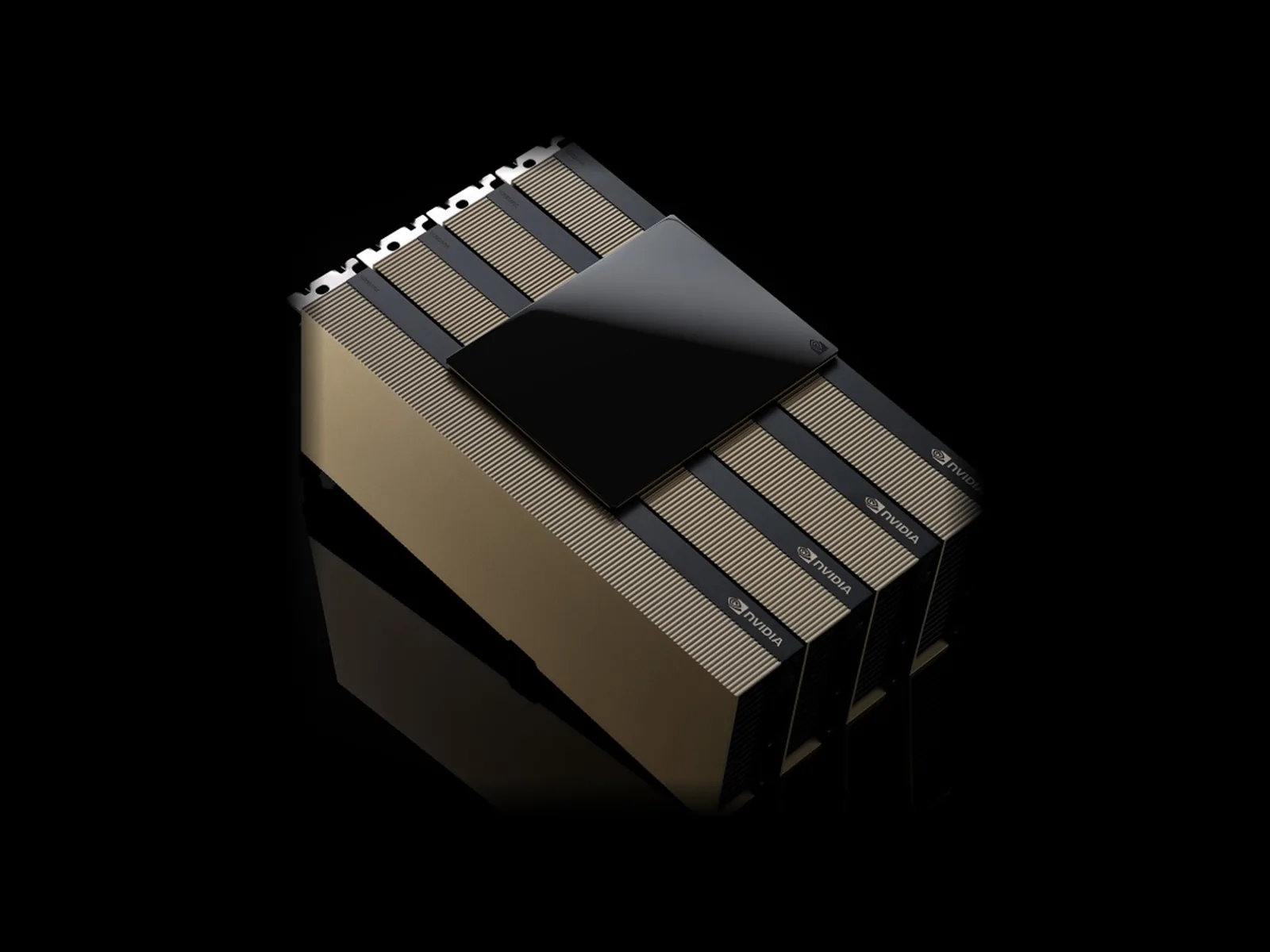
H200 runs the same software as existing H100 clusters and often has shorter lead times. It is also the only option here as a PCIe card: H200 NVL fits standard air-cooled servers and links in groups of two or four with NVLink bridges.
B200 against B300
Blackwell Ultra trades double-precision throughput for AI throughput and memory. B300 carries 50% more memory per GPU than B200 and higher dense FP4, aimed at large reasoning models. B200 keeps around 37 TFLOPS of FP64 per GPU, which matters for scientific computing.
Server, DGX or rack-scale
- HGX servers from OEMs: most flexible, choose your CPU, storage, networking and cooling.
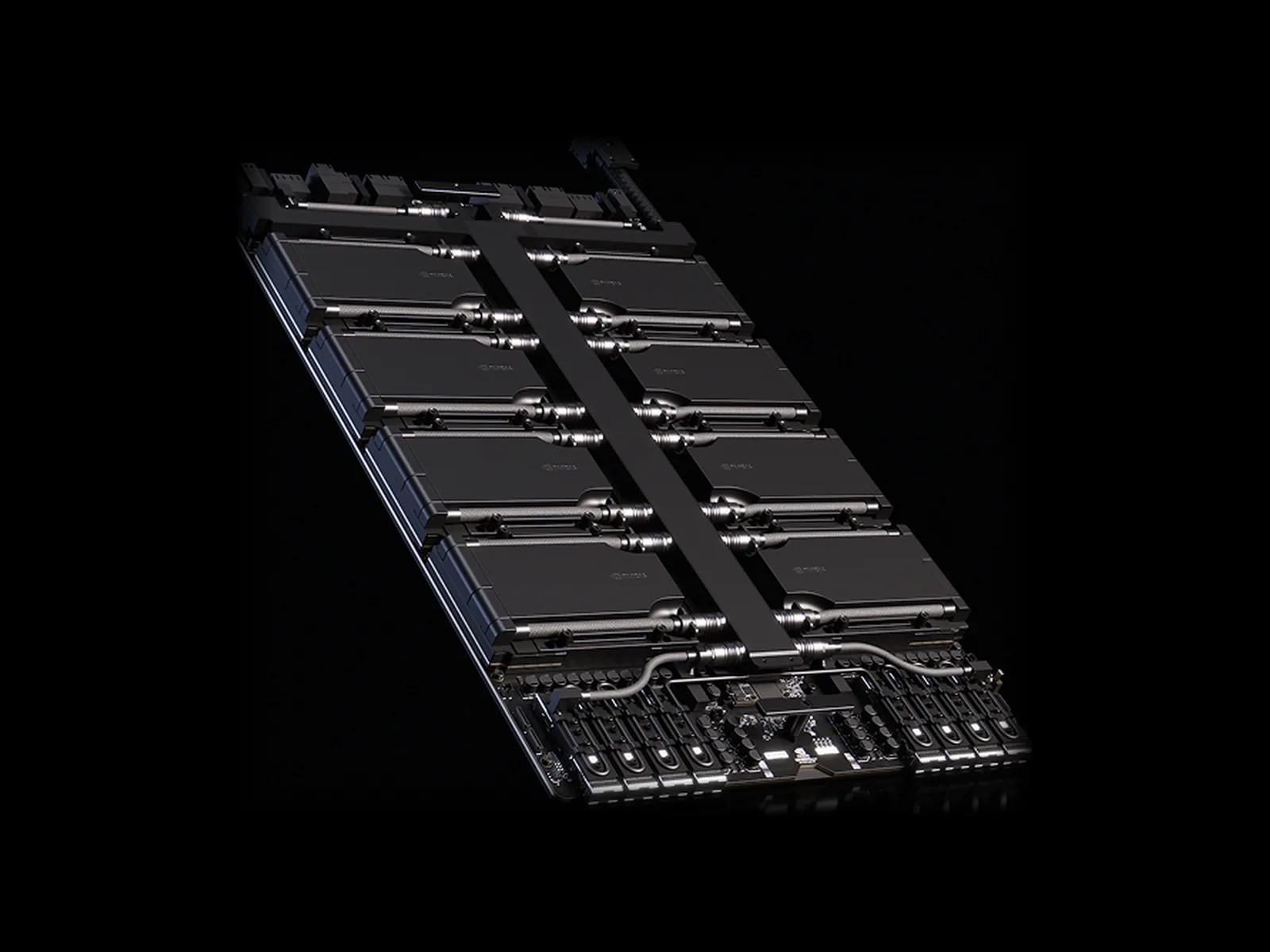
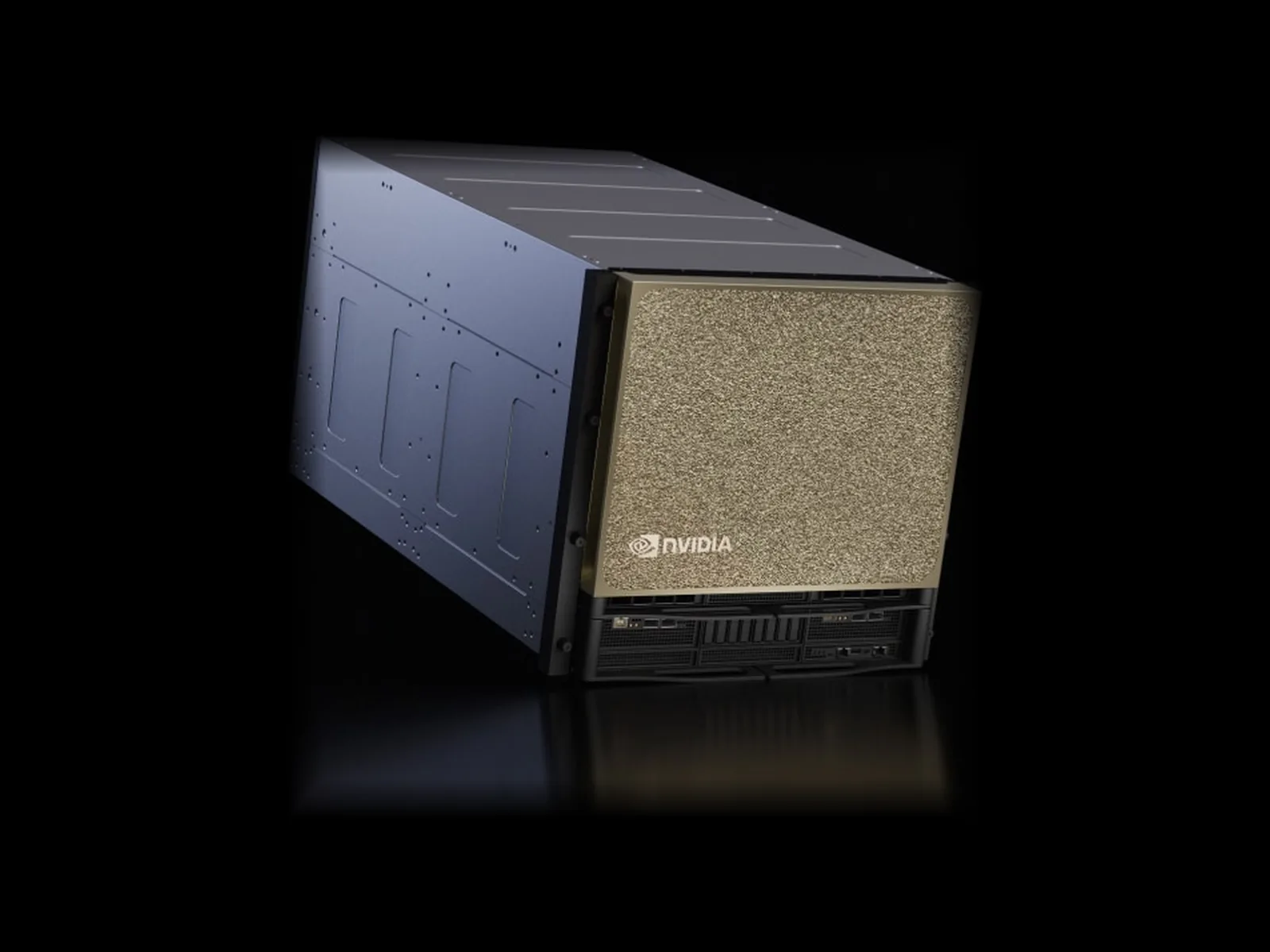
- DGX B300: NVIDIA-integrated 10U system with software and support, about 14.5 kW per system.
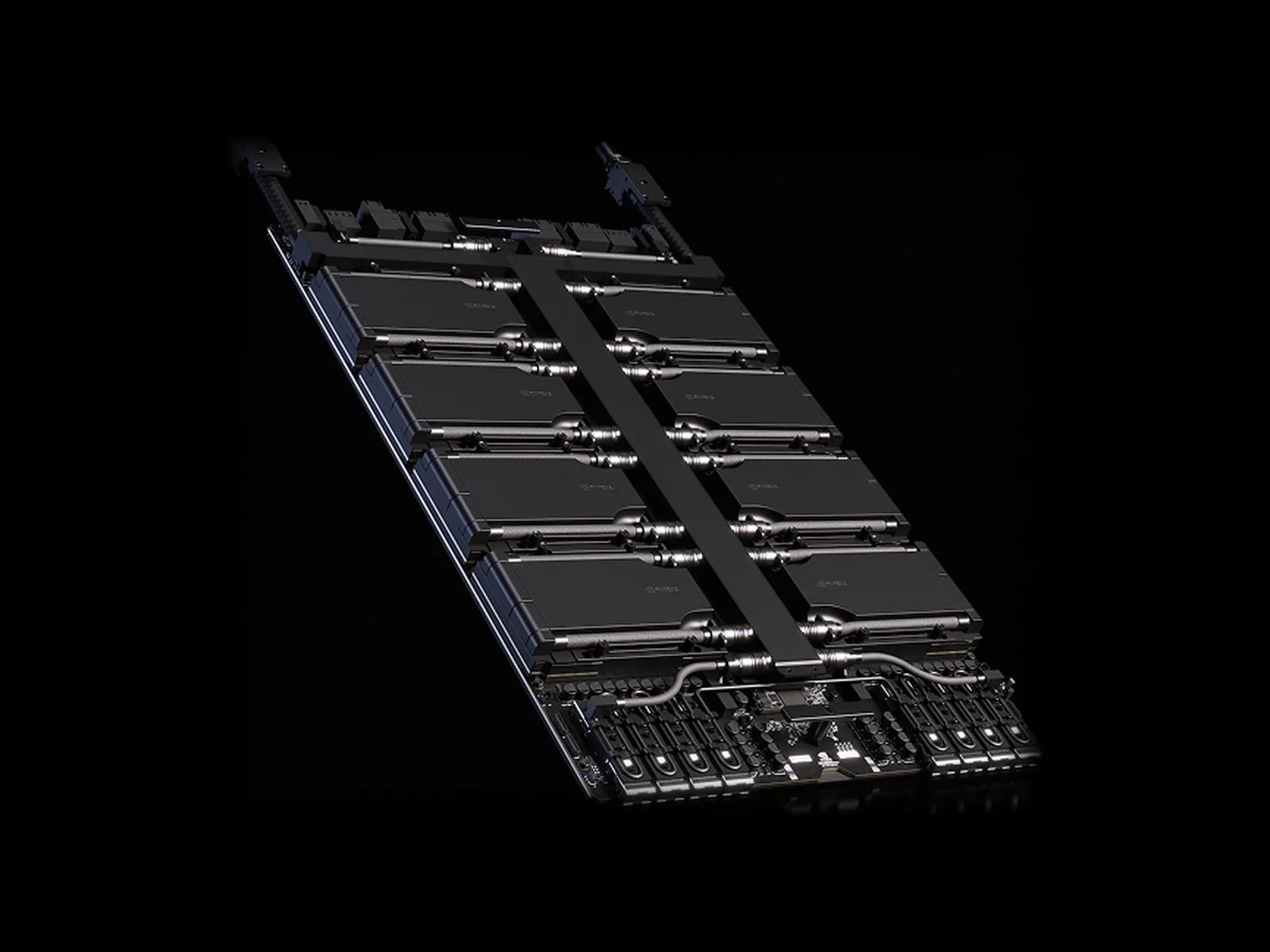
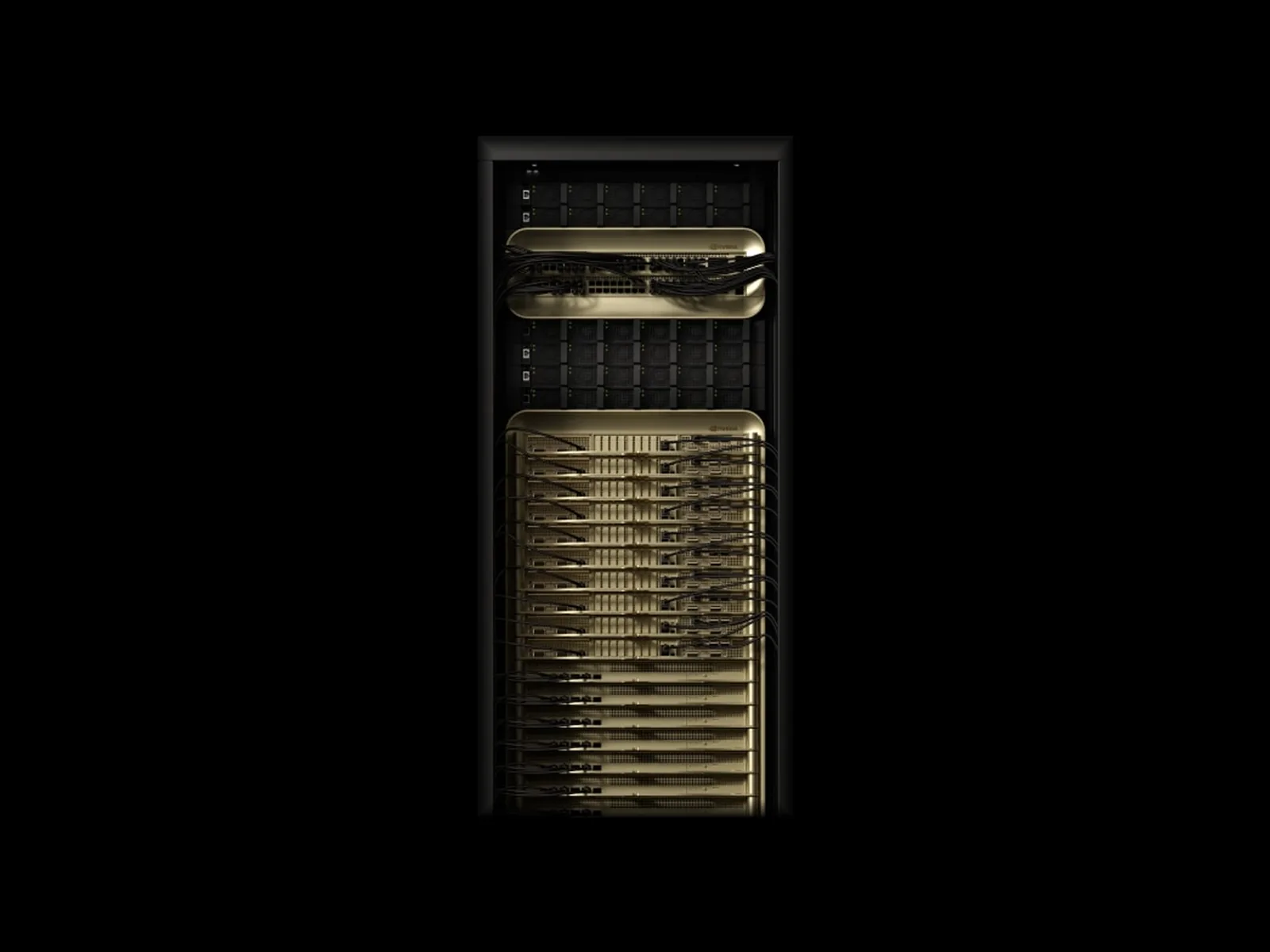
- GB300 NVL72: 72 GPUs in one liquid-cooled NVLink domain, for teams that can provide liquid cooling and very high rack power.
These platforms are subject to US export controls. Expect destination and end-use questions on every quotation.
Sources
Specifications change; check the linked manufacturer documents before ordering. Questions? Talk to the sales desk.